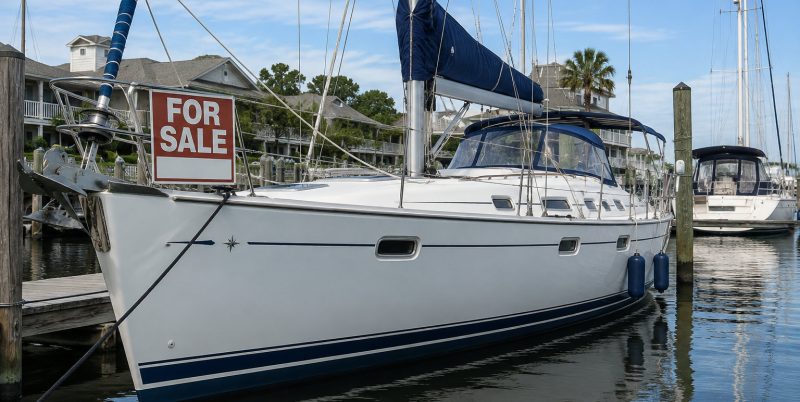

As a marine surveyor who has inspected hundreds of boats, I have learned that it is often easy to separate the good boats from the bad within the first few minutes aboard. It is the first 30 minutes on a boat that can tell if the boat is worth what the seller is asking or whether the buyer should just keep looking. This first 30 minutes of looking at a used boat, the goal isn’t to inspect everything; it’s identifying expensive problems quickly enough to decide whether the boat deserves a survey, sea trial, and further negotiation.
I always felt bad for a buyer who had spent a fair amount of time and money only to be informed the boat they had their heart set on would not be the boat of their dreams but a nightmare waiting for a new owner. With this in mind, I decided to share what I have learned and how to spot a money pit before owning it.

When someone finds a boat, they feel will fit their needs, and it appears to be in decent condition, they will place a deposit on the boat and prepare to have a survey done. This often involves hauling the boat out of the water for inspection as well. This all takes time and often involves spending a lot of money. Many would-be buyers have been disappointed after spending all this time and money only to find the boat is not what they had hoped. Knowing just what to look for early can save time and money.
This vetting can start early with the online listing itself. Clues to problem boats can sometimes be spotted within the listing itself. Start by reviewing the photos before even bothering to read the listing. As they say, a photo is worth a thousand words, and this holds true with boat listings. Photos, even well-staged ones, can tell a lot, but equally important are a lack of photos. Missing photos of key areas, such as the engine compartment, can indicate there may be a reason they were left out. If a listing uses stock photos, or photos obviously from 20 years ago, it can also be a warning sign. If you contact a broker and ask for better photos and are told it is too much trouble to get them, this may be a warning sign as well. Listings filled with photos that are all closeups of gear and artwork inside the boat may be trying to hide issues easily seen in wider views.
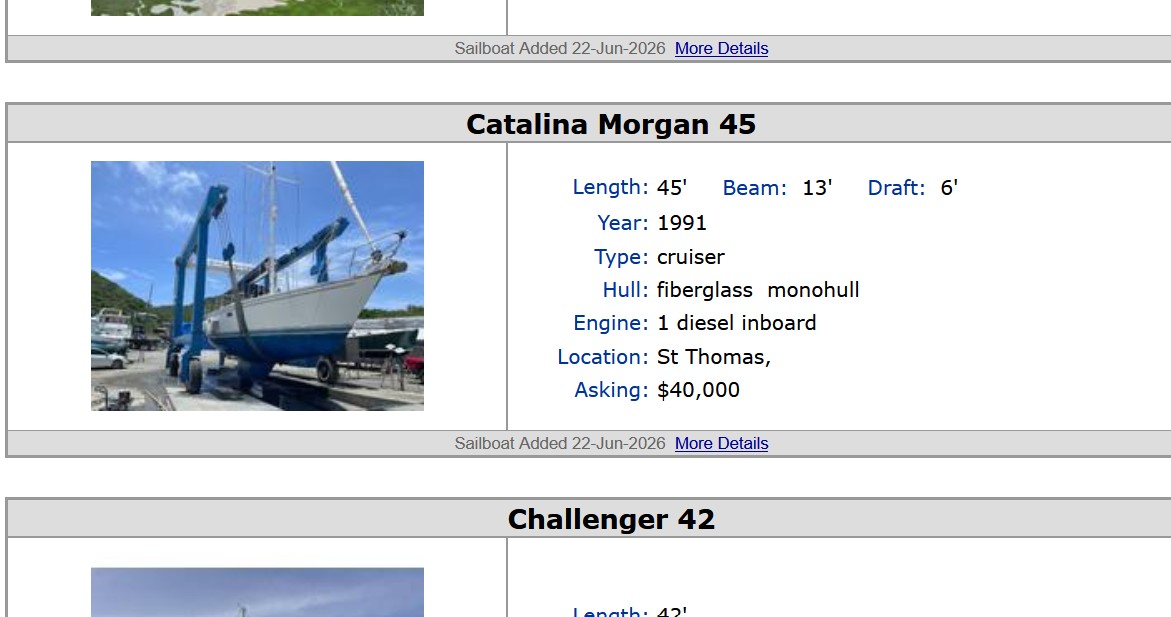
The written part of a listing can be reviling as well. Some brokers will put a good effort into writing the description, while others seem like they could not be bothered. Many are just copy and paste from sales brochures, and others simply list the very basics. Make note of the gear listed and engine hours; these are important and sometimes found incorrect when reviewing the boat. I have seen engine hours listed at 490 hours only to find they were really 4900 hours, not a minor difference. I have also seen equipment like water makers listed, only to find they were never there. Note what is important to you and check it when first looking at the boat; never assume the listing is correct.
Listings give the first clues, but the real tell is seeing the boat in person. Try to arrive at the boat ahead of the broker or seller. This gives you a chance to see how the boat looks before being opened and to verify the engine has not been started yet. Do not board the boat yet, as boarding should not be done without permission; just observe from the dock. Look around to see the general condition of the boat. Is the boat clean? Are the dock lines and fenders in good condition? Is there growth on the bottom? Are there signs of repairs to the hull sides? Is the rub rail in good condition, or does it show signs of dock damage? Does the canvas look clean and in good condition? All these give clues to the overall condition and how well the boat has been maintained.

After the owner or broker arrives, take a quick walk around the deck, feeling the deck beneath your feet, and note anything that does not feel right or solid. Observe the condition of the rigging, deck gear, and canvas; note anything that looks to be in poor condition. After doing this walk-around, look over the helm and electronics, checking age and condition. No need to power anything up just yet. Turn the steering hard over to hard over noting how it feels. Try not to get distracted by any one area; remember this is a reconnaissance mission and if all goes well, you can go back for a closer look after an offer has been made.
Next, go below and again do another walkthrough. This is another chance to just observe. Note any odors such as mildew, fuel, or holding tank smells. Pay close attention to the areas below windows and ports. Is the wood water-stained or damaged in these areas? Are there strategically placed bowls or cups to catch drips or decorations to cover stains? Are the cushions and upholstery in good condition or covered with throws? Does the flooring look to be in good condition? Stop and open any drops in the floor for a quick look at the bilge, which should be dry and clean.
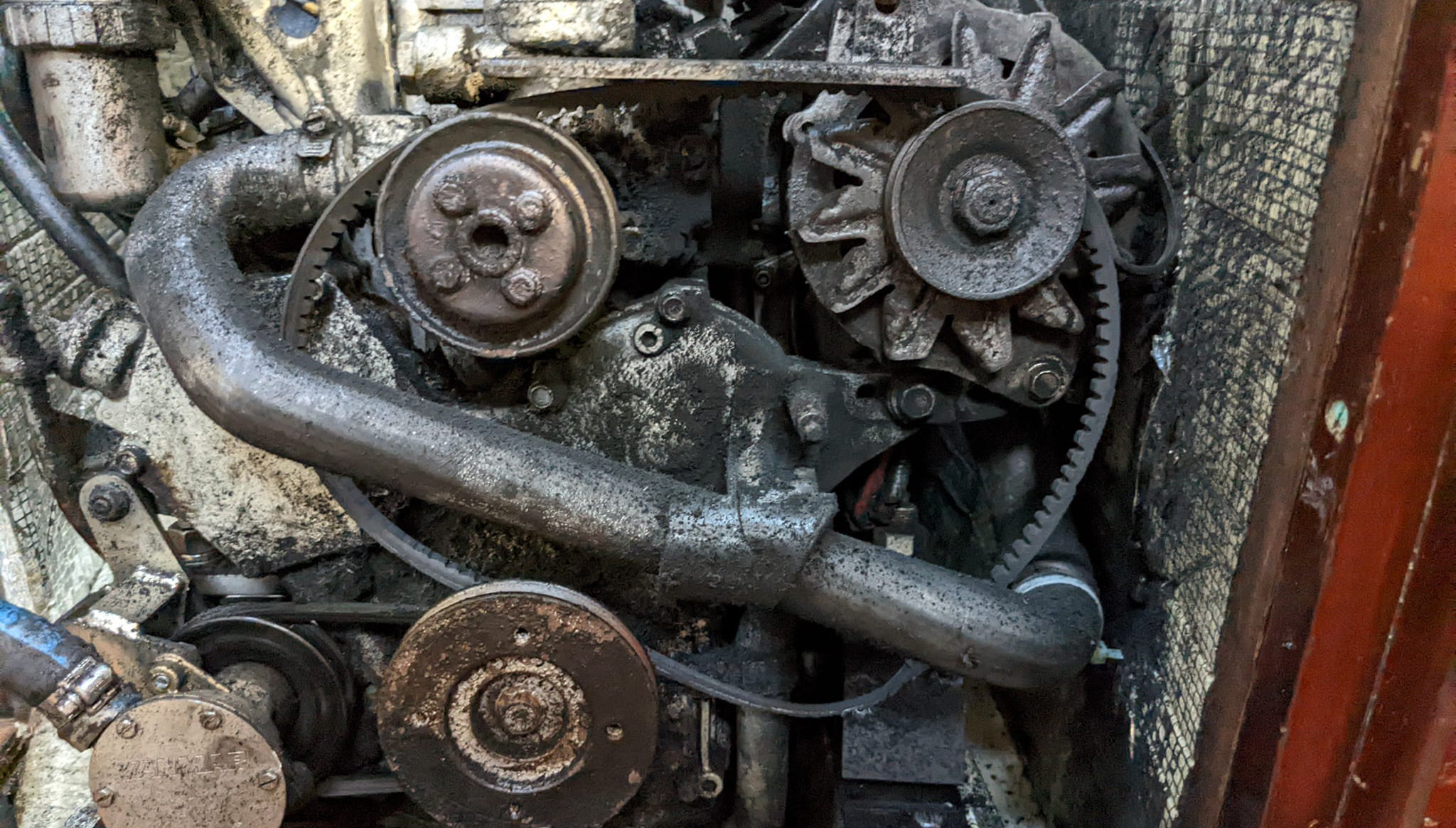
Armed with a flashlight, inspect the engine compartment to examine the engine and systems. This area is key to how well the boat has been maintained. If the engine compartment has wires hanging all over the place and oil under the engine, I know things are likely not well maintained in general. I have seen some boats that looked great on the outside only to find a horror story in the engine compartment. Pull the dipstick and check the color of the oil. For a diesel, it should be black or blackish. Ask the seller when the engine was last serviced and if they have service records. No need to look them over now, but knowing they are there is helpful.
Electrical and plumbing systems are critical to the smooth operation of any vessel. If poorly maintained, they will not work when needed. They can also be expensive to repair or replace. If these systems are in poor condition, they will end up costing the new owner. Ask the seller to energize the electrical systems if not already powered on. No need to test everything just yet, but you want to know the system has voltage and appears to work properly.

Ask the seller to start the motors and the generator. You just want to know that these will start and run. Observe how they start, does it take a lot of cranking, or do they fire up and run right away? Check for oil or smoke from the exhaust when first starting. While running, take a quick look in the engine compartment and note any leaks or odd noises. If the seller refuses to start the motors for any reason, this may be a warning sign.
When talking with the owner or broker, do not point out problems you have found; rather, just ask simple, normal questions such as when service was done? When was the boat last hauled out? Why was the seller selling the boat? And so on. This is a good way to get a feel for how open the seller is. I have always said surveying involves a certain amount of psychology. It is often obvious when a seller is being evasive. I will sometimes ask about something that does not look right, even when I know the answer, just to see if the seller is being honest. I never challenge them and just say something like, “oh okay” and leave it at that. But their response will tell me a lot about whether the seller can be trusted.
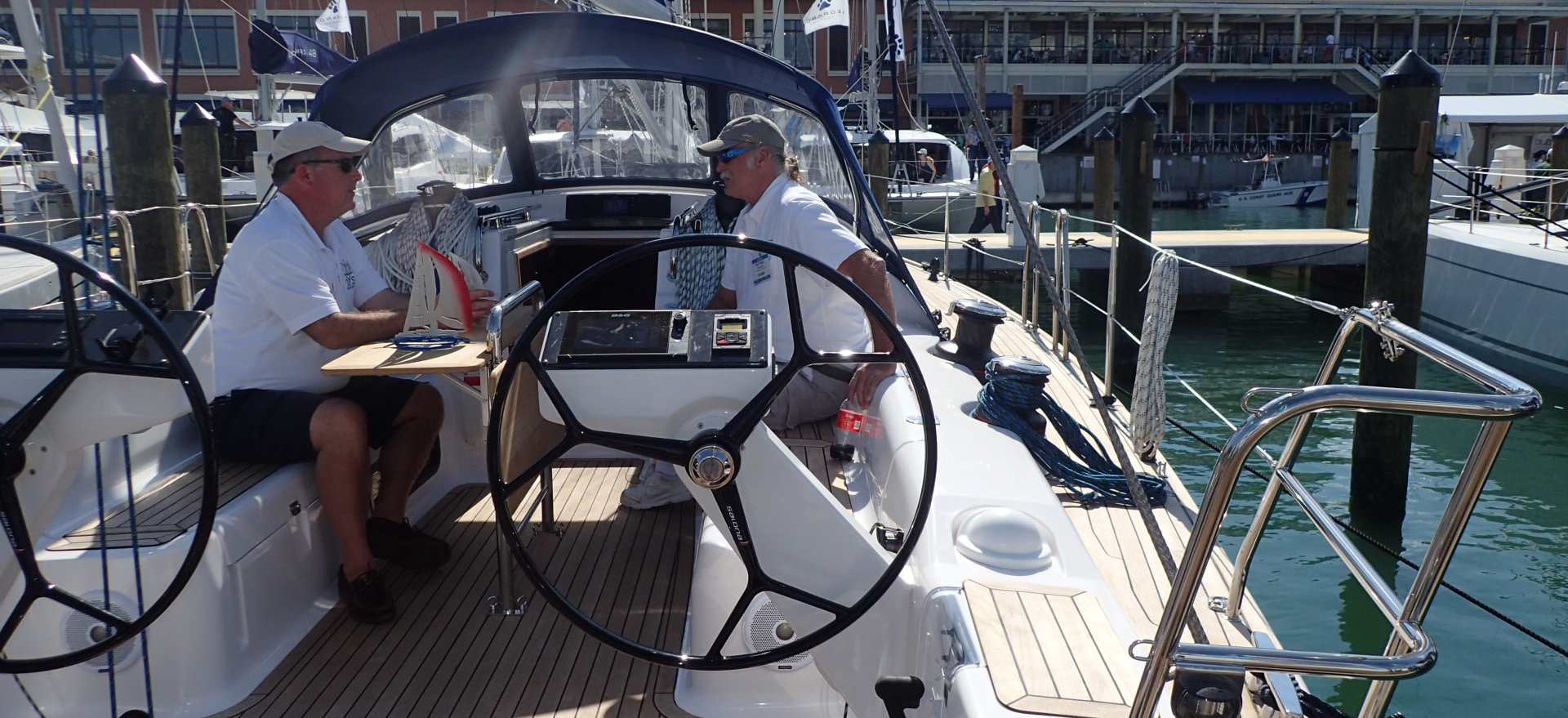
By now you should have a pretty good idea of the general condition of the boat after having spent only 30 to 40 minutes aboard. You should be able to tell if the boat has been well cared for, if the engine and systems are in good condition, and if the deck coring appears sound. This is by no means a full inspection and may not reveal all the issues the boat has, but it tells you whether the boat is up to your expectations. I have always said no deal is too good to walk away from.
For a buyer doing these inspections themselves, it should give them a pretty good idea of whether they would want to pursue a boat or move on to the next one. Being able to spot major problems early can save a lot of money and aggravation in the boat-buying process. Never become emotionally attached to any one boat; there are plenty out there to choose from. Although 30 or 40 minutes spent inspecting a boat will not give you a full picture, it will help eliminate the real lemons from the ones worth pursuing.
Please let me know if you have questions in the comments section; this way everyone can join the discussion and learn.
If you subscribe I promise not to flood you with spam emails or share your info with anyone else. I just want to let you know when new content is available short and simple.