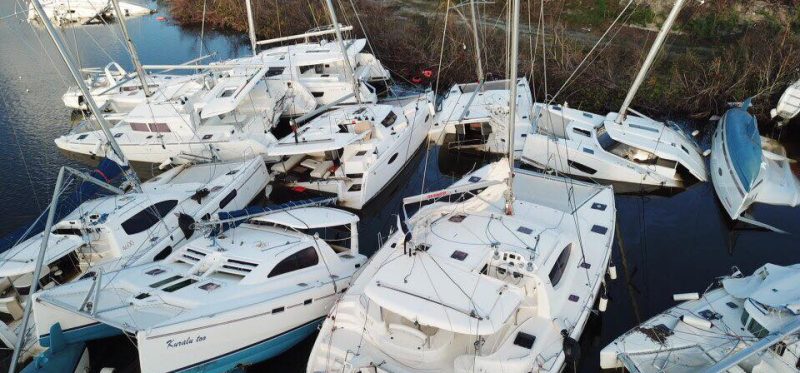

As a marine surveyor and cruising sailor, I have seen the aftermath of several hurricanes over the years. I have also been part of what insurance companies call CAT teams, the people who go in after a storm to assess the damage to their client’s property. What I have learned is that much of the traditional information, although good, often overlooks some key information that could help prevent or minimize damage to your boat in a storm.
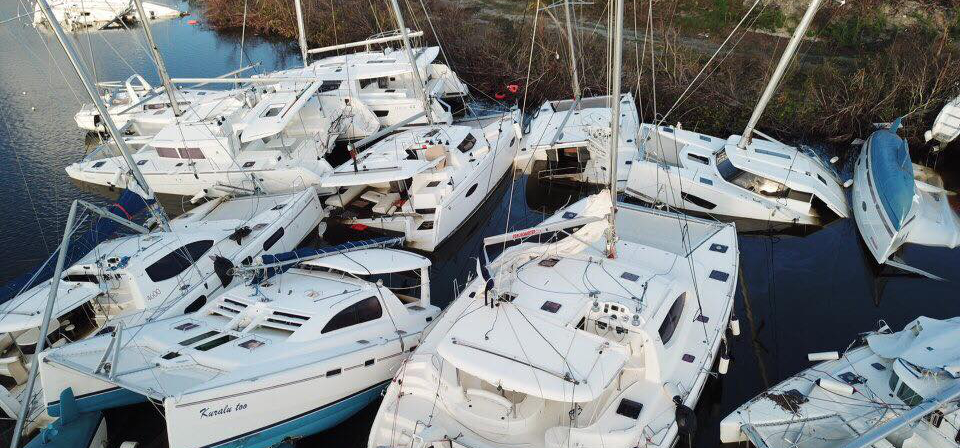
With storms seemingly getting stronger and more frequent it is more import than ever to really understand how boats get damaged and how to better prepare and protect your own boat. Sadly, some recommendations I have seen can make your boat less safe or, at best, not really help prevent damage. Admittedly, sometimes no amount of preparing can protect a boat, as seen in some recent storms in South Florida and the Bahamas. Once a storm gets above Cat 3, I have found it often comes down to luck whether or not a boat gets damaged. That said, good preparation can place the odds more in your favor and help reduce damage even in the worst case.
The very first thing to do is plan well before a storm is forecast. What will you do when a storm is heading your way? How will you prepare? Where are you going to keep the boat? These are things most people never really think about until the last minute. Many owners will keep the boat in their home marina; some will want to have their boat hauled out, and some insurance companies will cover all or part of the cost. Some insurance companies even require the boat to be hauled out for every named storm. Some marinas may require the boat to be removed from the marina during a named storm to help prevent damage to their docks. If that is the case, where will you move the boat to? If moving or hauling, spaces in most yards may be limited; many marinas require an annual fee to hold a spot for you. Before any actual plans can be made, you need to know what you will do and how you will do it when the forecast looks ominous.
The first part of any good plan is deciding where you will keep the boat during a storm and pre-planning for that. As mentioned, some marinas will not allow you to stay, and some insurance will want you to haul out. If you are going to have to move the boat, the very first thing to consider is where you will go and how you will get the boat there. With a storm on the horizon, marinas get busy fast, so having all the arrangements set up in advance will be critical. Don’t expect to call a marina a day before the storm is due and expect a slip or haul-out. Call before any storms are predicted and have a spot reserved. Many marinas will charge a fee for this, but it may well be worth it. Because some insurance requires the boat to be hauled out for any named storm, they may void the insurance if it is not hauled, basically leaving no coverage at all. If you do not live locally to where the boat is stored, do you have someone you can call to move it for you? A local friend or captain you can trust is best, but also have a backup just in case.
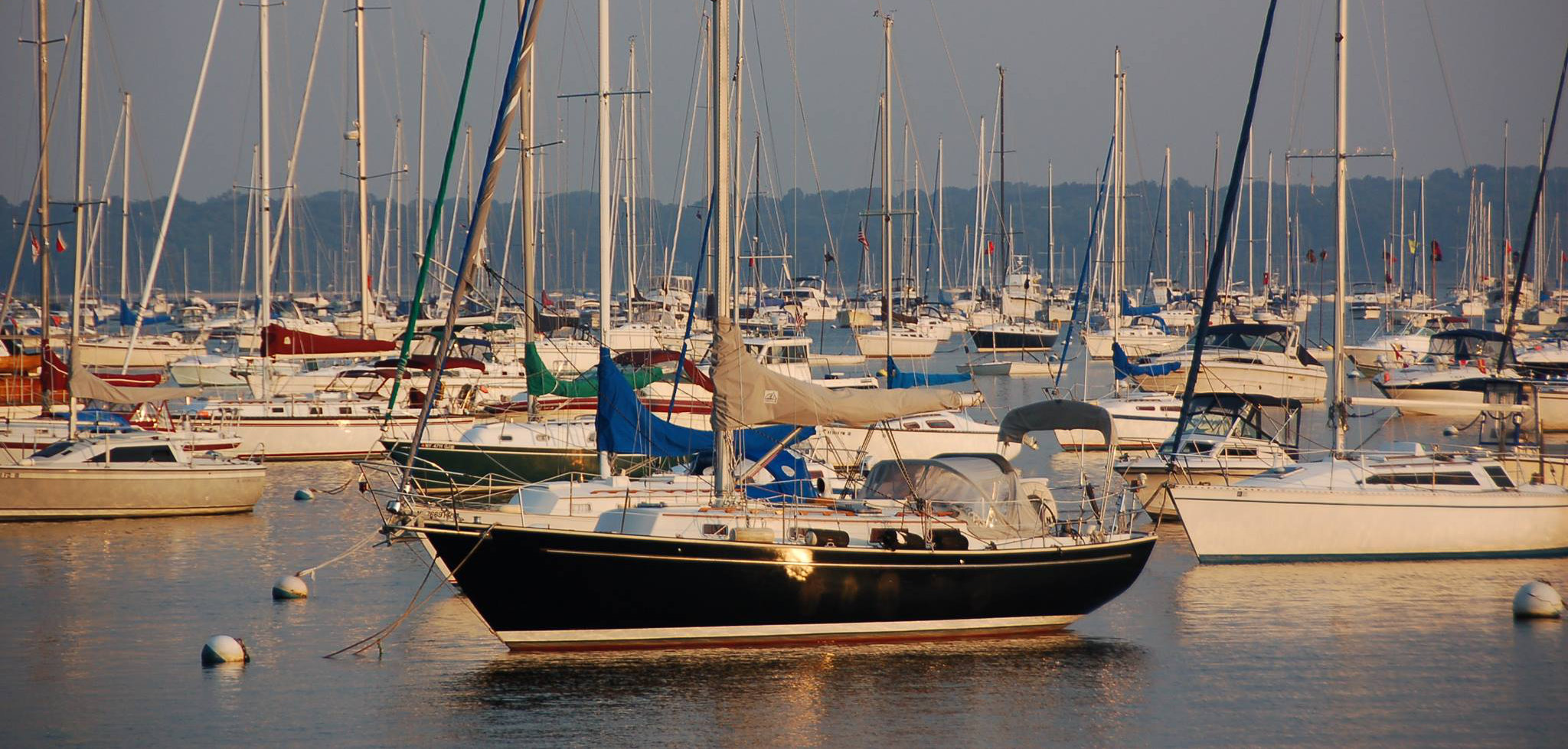
When it comes to where to keep the boat during a storm, there are a few choices, and each has its pros and cons. For most, the easiest option would be to keep the boat in its home slip or mooring. In-water docking can be good because it allows easy access to the boat for storm prep. Many marinas are reasonably well protected from waves, but not all are. Fixed docks tend to be better in most storms. Many marinas with floating docks have had entire sections of the docks come loose like dominos. In a situation like that, there is nothing that could be done to protect a boat as the docks pile together. Most fixed docks will have pilings on both sides of the boat, allowing the boat to be secured off the dock. Although I have seen dock rash from both types of docks, it is often more common on floating docks. I will talk later about how to secure your boat to the dock to avoid damage.
Moorings can be one of the best places to be in a storm, provided the mooring is heavy, such as a large concrete block, a heavy mushroom anchor, or a properly sized helical anchor. You would also want to know if all the tackle was in good condition as well. Anchoring is also an option, but it requires a fair amount of work to set up multiple anchors with a lot of scope. I do not really recommend simple anchoring unless there are no other options.
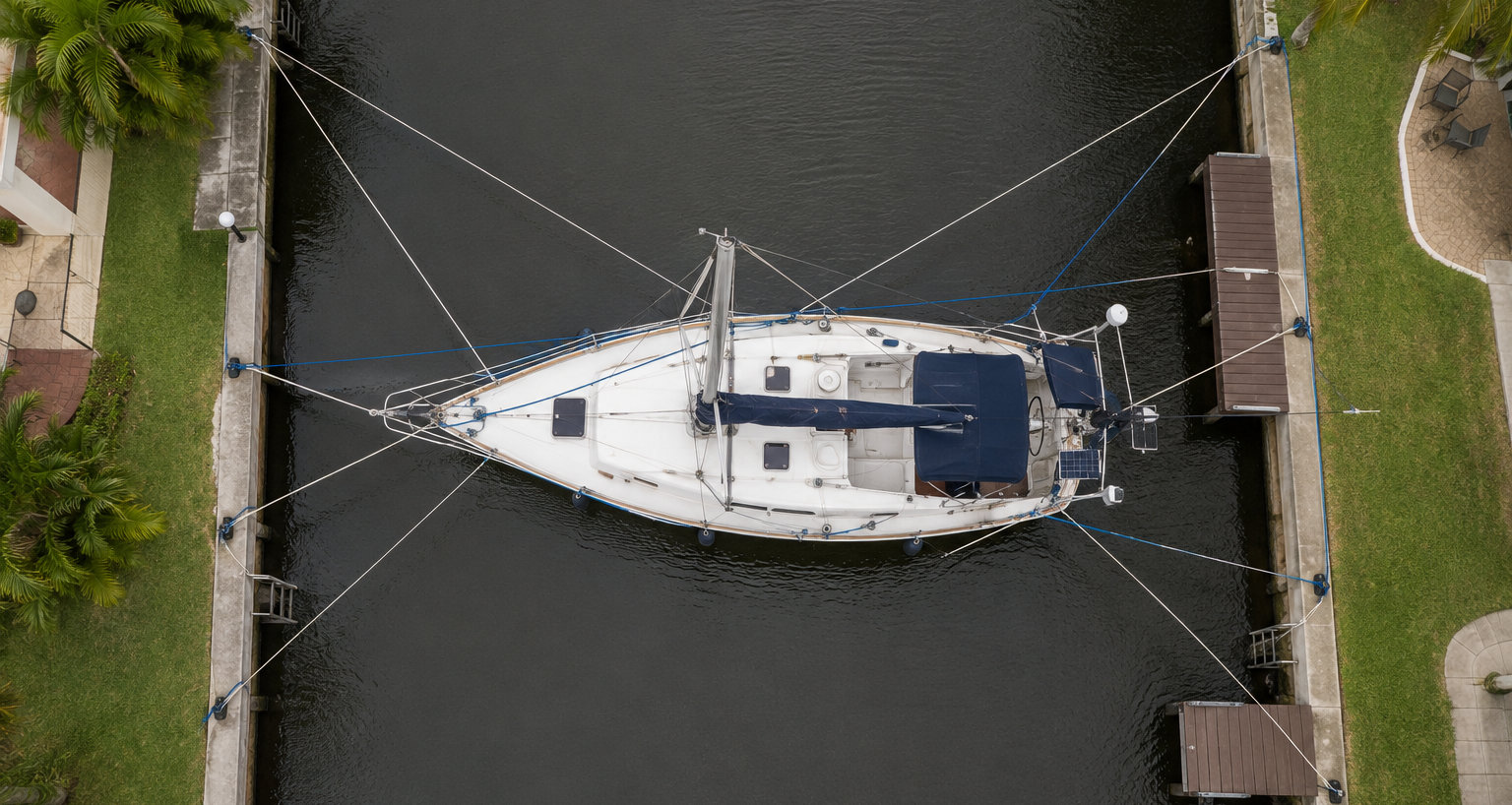
Depending on your location, cannels and creeks that are deep and not too wide can allow the vessel to be secured to both sides of the waterway. The problem is that finding a good creek or cannel can be a problem. Most land on the sides of creeks and canals is now privately owned, and permission to secure on shore would be needed first. Trees on the shore falling into the creek and falling branches could also present a hazard as well. I recall one storm in Florida where most boats in the canals were damaged mostly from windblown clay shingles from the roofs of nearby houses, along with other building debris.
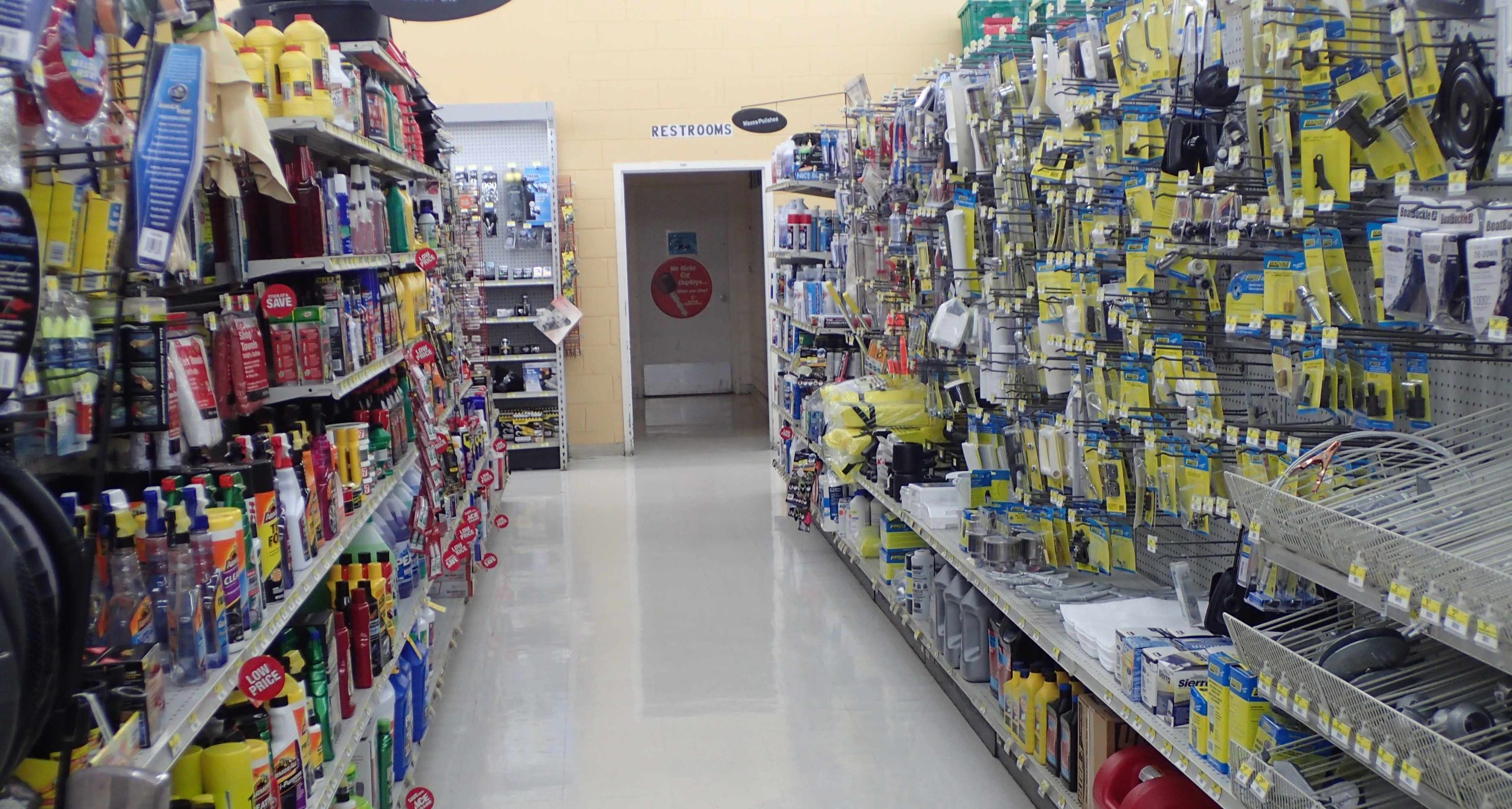
When a storm is brewing, start early. This is perhaps one of the biggest mistakes most people make: they simply wait too long before starting their preparation. Nobody wants to do a lot of preparation only for the storm to miss them or not be as bad as thought. I get this, but waiting too long can be a mistake. Once the wind picks up, it can become much harder to do good preparation. This often results in not doing everything that should be done. I always considered it good practice to prep my boat even if the storm does not turn out badly; the more often you do it, the easier it gets. You may also learn what extra lines and equipment you may need to add to your storm inventory. Remember, before every storm there is a rush at most marine supply stores for lines and fenders, and inventory runs out fast.
Watch the weather closely. Preparation should start at least 1 day before any storm-related winds are predicted, and this could be several days before the storm itself is predicted to make landfall. There are some tasks that really need to be done before the winds pick up. Canvas and sails should always be removed early and can be hard to remove in gusty winds. I cannot count the number of boats I have seen where the only damage was to the sails or canvas. Sails and canvas left up will add windage to the boat, placing greater loads on the lines securing the boat in place. Windage is not good; it stresses dock lines and can increase the wind forces pushing the boat against docks and pilings. Wind force will affect a boat whether it is at dock, hauled out, or at a mooring. And let’s not forget the damage that can occur to the sails and canvas themselves. Even if your canvas needs replacement and it might seem like a good time to get the insurance to replace it, it is never a good idea to leave the canvas up. Shredded, flapping canvas can do a lot of damage to the boat and equipment over a period of time in even a moderate storm.
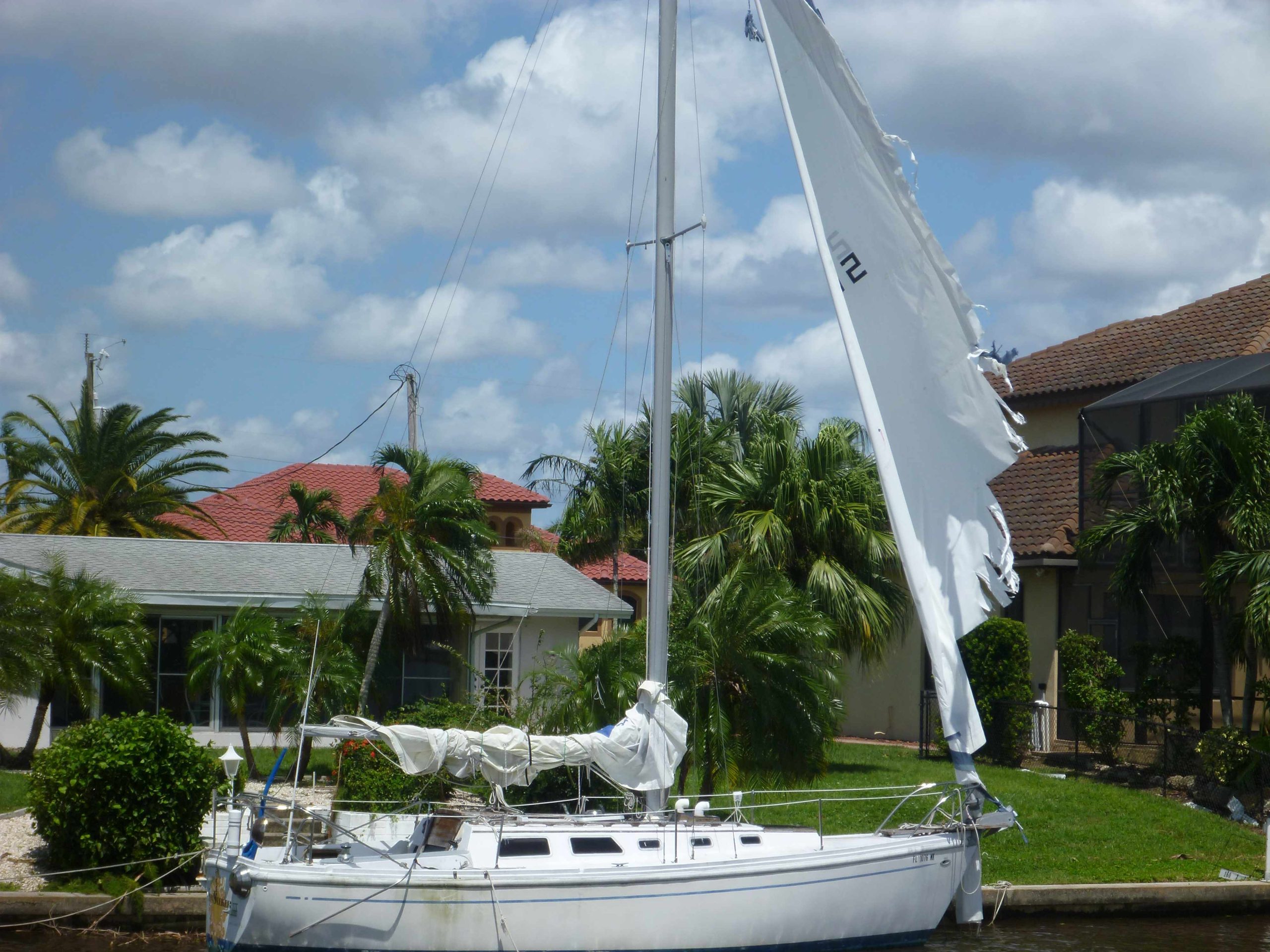
Roller furling jibs are probably one of the most common items damaged on a sailboat. I have never understood why so many owners leave these sails up. No matter how tightly you furl it and wrap lines around it, in a good blow at least part of the sail is likely to come loose. Once the wind catches even a small part, it will quickly take more. Not only does even a small section flapping in the wind damage the sail, but it can also place high loads on the rig. I have seen this take down the whole rig. 30 minutes to remove the sail would have prevented the boat from being totaled. Along with roller furling jibs, mainsails should be removed as well. Mainsails can create a lot of windage and I have seen some come loose and start to rise due to wind pressure, further increasing windage and sail damage. Sails are not that hard to remove and store below deck.
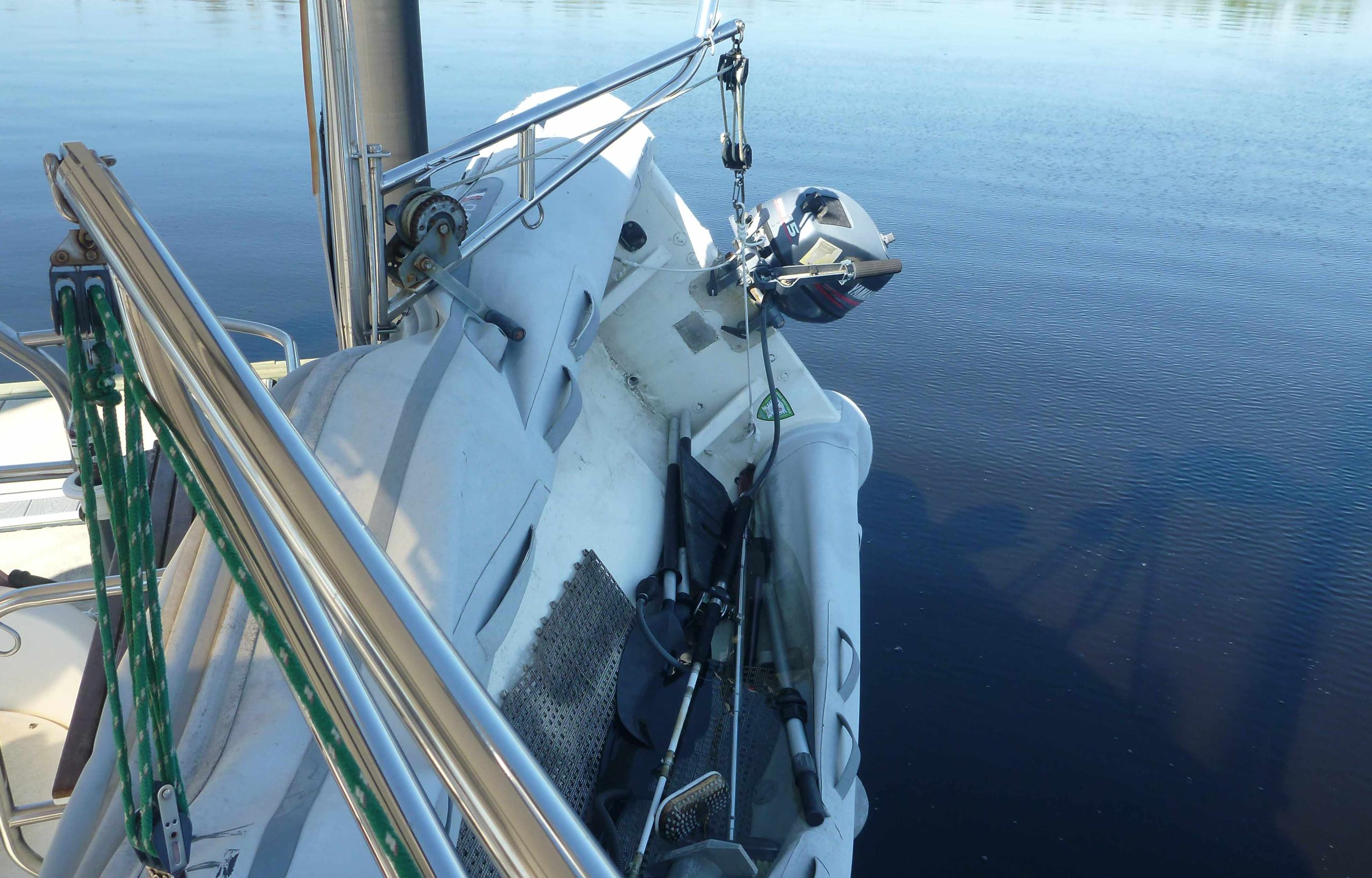
Dinghies should be removed as well and stored on land if possible. Even if the drain plug is removed, it can clog, and a dinghy filled with water can damage davits or place heavy loads on deck. They also create more windage. As you can see, I stress reducing windage anyway possible. Outboard motors should also be removed and stored safely on land.
Any other loose equipment on deck should also be removed, including safety gear such as throwable man overboard devices, life rafts, and EPIRBs. EPIRBs, even if normally kept below deck, should be removed from the boat and stored ashore to prevent false alarms, wasting first responders’ time when they are already very busy. Solar panels and wind generators should be removed. If it is too difficult to remove the solar panels, secure them with extra ropes. Wind generators, if difficult to remove, should have the blades secured to prevent spinning, and the tail secured to prevent rotating. Any vents on deck or hull sides should be covered with plastic secured with either duct tape or good vinyl tape. Duct tape may leave a glue residue, so vinyl tape may be better. Any opening that could let water into the boat should be covered. Secure all hatches and locker lids with their latches and additional lines or tape. For lockers that have padlock-type latches, secure the latch with a wire tie. Do not forget the anchor locker lids as well.
Leave spare dock lines and fenders in the cockpit or near the helm where they can be found and used by others if needed. Do not lock the boat, or at least leave the key where it can easily be found. If the boat needs to be pumped out by dock personnel or other helpful boaters, you want them to be able to get quick access. Leave the key for the engine in place as well; you never know if the boat will need to be moved quickly before or after the storm, and hopefully nobody is going to steal the boat during a storm. (Well, at least let’s hope not)
Disconnect shore power and remove the shore cord. This will avoid the possibility of a fire should the cord work loose from the boat’s movement or get wet from rain. Make sure the batteries are fully charged, and all DC power is turned off except for the bilge pumps. If there is any perishable food in the refrigerator, remove it from the boat. Refrigerators will use up battery power possibly needed for bilge pumps. Turn off any propane systems at the tank. The only thing worse than a storm is a fire during a storm.
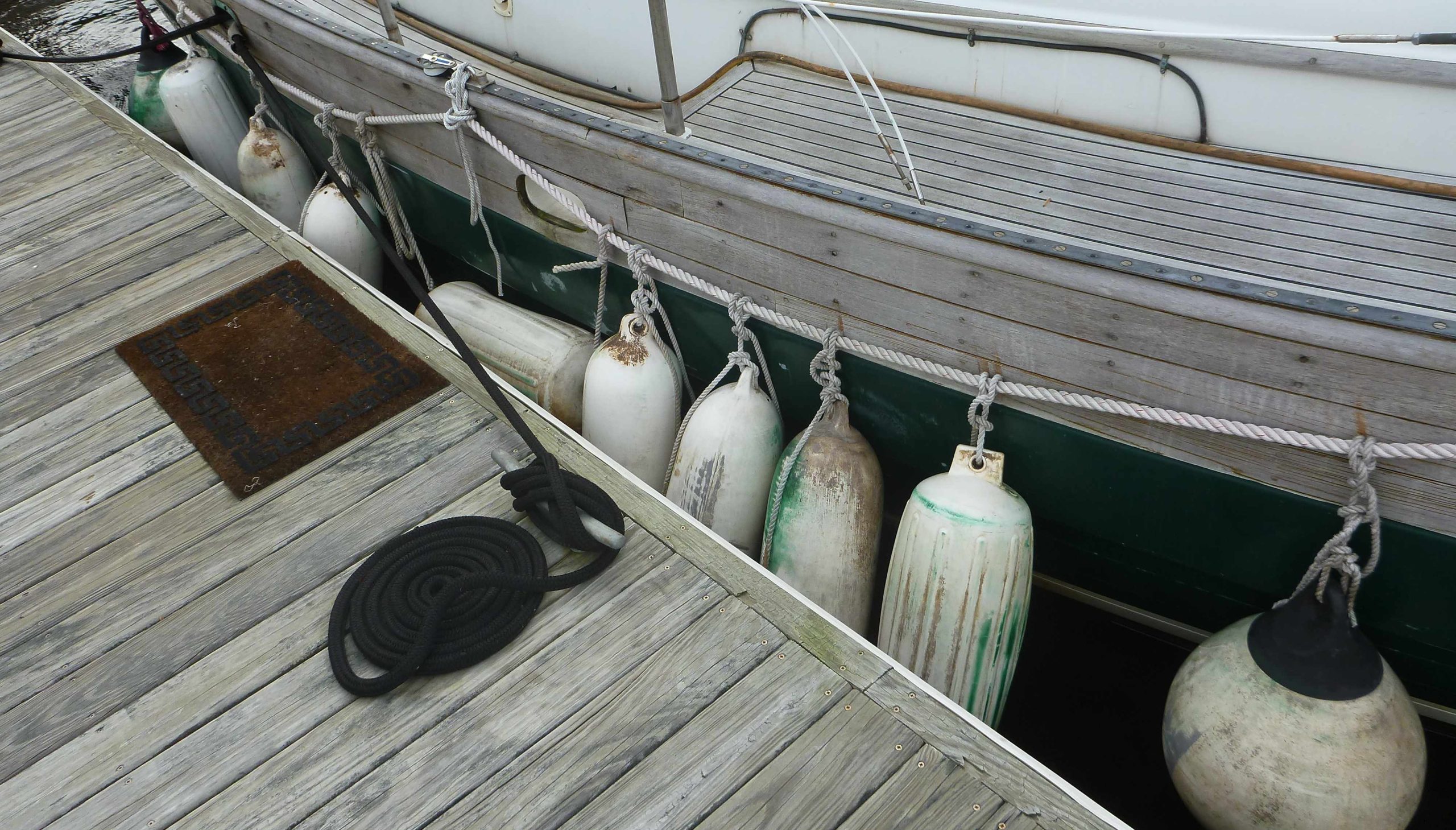
Obviously, securing the boat properly and having good fenders will also help prevent damage. There is a lot out there about using double dock lines and chafe protection. This is common sense, but there are a few things to think about when tying up that most do not think about. Before you get the spiderweb of lines set up, there are a couple of things to consider. If your boat is a sailboat and, in a slip, next to another sailboat, will the masts align? If so, think about moving forward or aft or turning the boat around so that if either boat were to heel over, the masts would not hit. Even a very stiff boat will heel to the rail in a strong gust. While positioning in the slip, make sure the boat has at least 6 to 8 feet at either end of movement within the slip.
Lines should be secured with enough room for major changes in water height. Most think the water will rise, and this is valid, but I have seen water levels drop dramatically as well. It’s tricky to plan for both. With floating docks, this is not as difficult, but you want to secure the boat off the dock if possible. Running lines to adjacent docks or pilings will help. Most do not consider the amount a boat will heel in wind gusts, so keep this in mind. I have seen sailboats damaged well below the waterline by the rub rail of a sailboat next to it. Powerboats can also heel a lot in strong gusts, so this needs to be planned for.
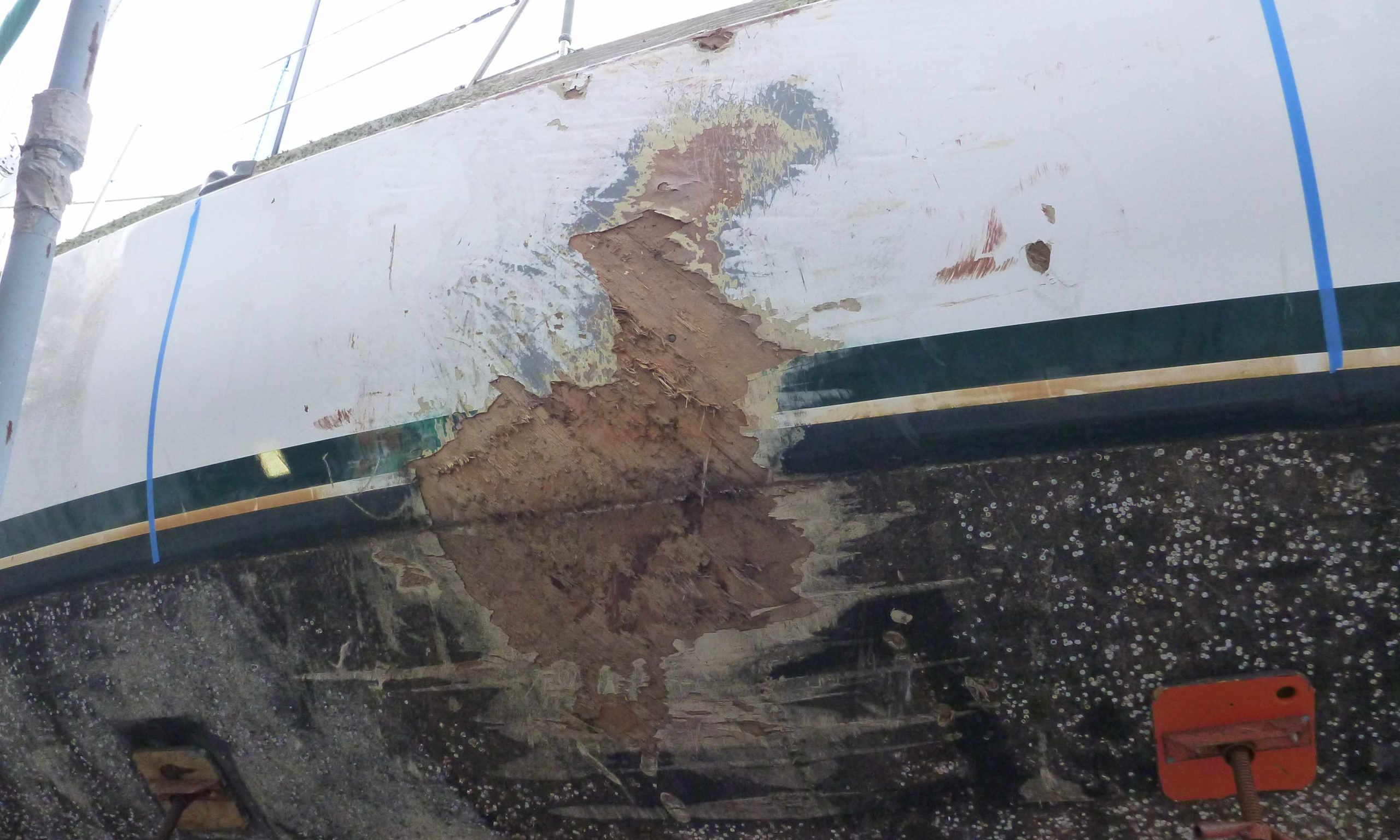
When securing lines to the dock, do not assume cleats will hold. I have seen many cleats ripped out of the dock when stressed. A better option is to tie to pilings if possible. Another drawback to floating docks is that there is often no choice but to tie to cleats on the dock and hope for the best. The only other option would be to wrap a line all the way around the dock, which can be very hard to do. Of course, chafe protection is always a good thing, but try to rig lines to avoid chafing in the first place. If securing to a piling, wrap the line around the piling twice. This will prevent movement and chafing. Avoid hard or sharp turns in the line, as this creates hard points for chafing. Although the trend is to use double-braided lines, three-strand nylon often works better as it allows stretch with jerking loads found in storms. When double tying, try to avoid placing both lines in the same location, both on the dock and the boat. My experience has been that the attachment point often fails before the line.
Heeling should also be planned for when setting fenders. Most position fenders with the boat in a static level position only to have damage above or below the fenders. Make sure the lines securing the fenders are in good condition. Never secure a fender to lifelines, as this can damage the lifelines should a fender get caught under a dock. If there are boats docked next to yours without a dock or piling in between them, set fenders on both sides of the boat. Of course, the bigger the better when it comes to fenders. Use heavy fender boards to protect against pilings. Fenders often fail when things get very rough or the boat rubs hard against the dock. They are often just pushed out of position, leaving the boat exposed. Keep this in mind when setting fenders. I do not have any firsthand experience with the newer inflatable fenders, often referred to as rafting fenders. From what I have read, they are good and very tough, but care needs to be used around sharp objects on the dock. They are also lighter than traditional fenders and could easily be blown out of position. Used tires can also be used and work well; after all, tugs and other commercial vessels use them. You also do not have to worry about them being punctured. Additionally, their weight will help keep them in place.
I have found keeping a boat on land is not that much safer than keeping it in the water. There are some serious wind loads on a boat out of the water. Powerboats with high sides and cabins make for a large side profile. For sailboats, they are often blocked higher because of the keel and have the windage of the mast. Some yards can also be flooded, further adding to the problems.
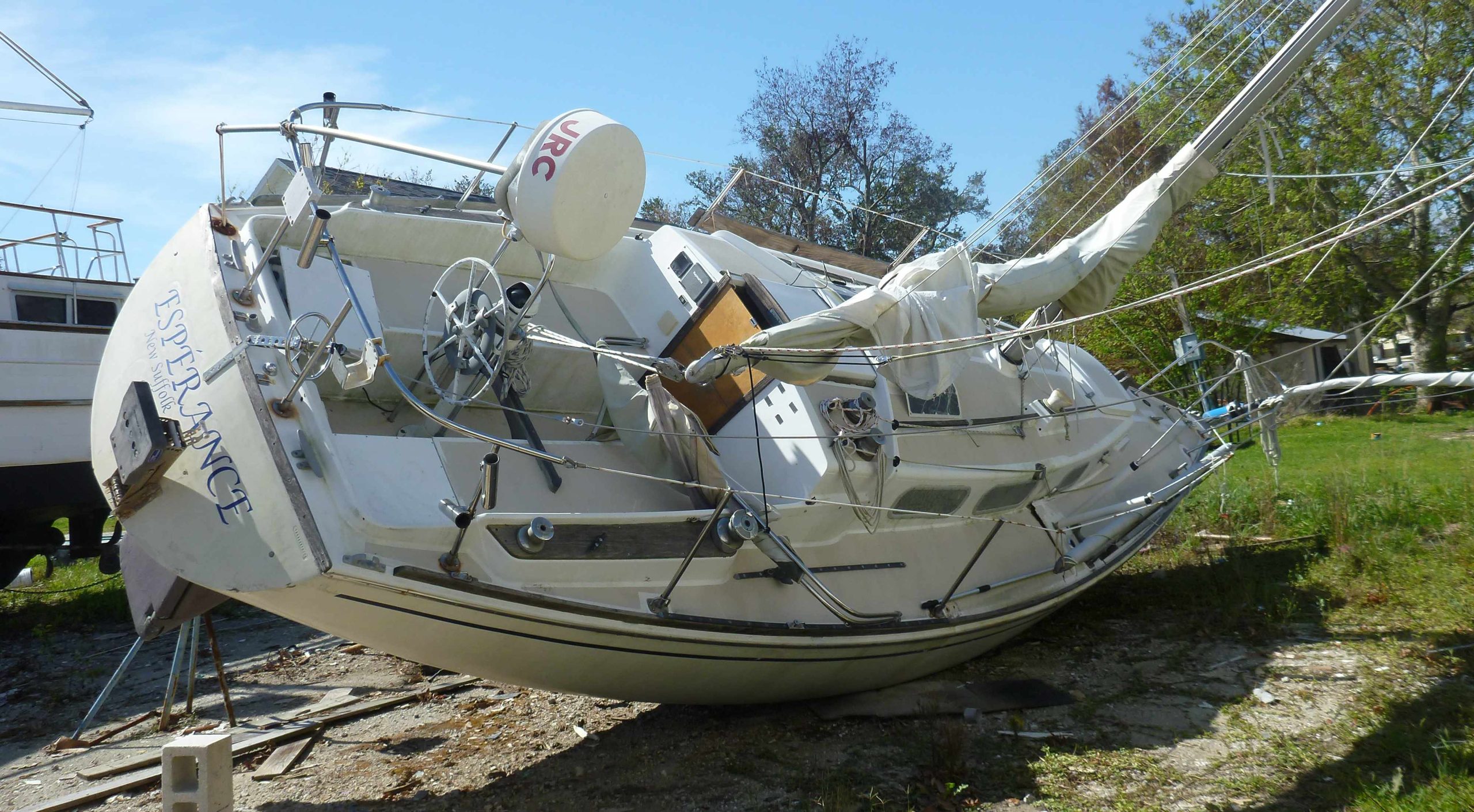
If staying ashore again, do everything possible to reduce windage as mentioned. If a sail comes loose in the wind, it can easily knock a boat from its stands. Do not trust the yard to properly block and secure the boat; they are often in a rush with a storm coming and may have a long backlog of boats to be hauled. The boat should have extra stands that are tightly secured to the stands on the opposite side of the boat. The stands themselves need to be in good condition and not badly rusted. If the yard is dirt or gravel, plywood pads should be placed under the stands. The pads on jack stands should be in good condition; broken pads can result in the stand puncturing the hull. All blocking and other supports should all be in good condition.
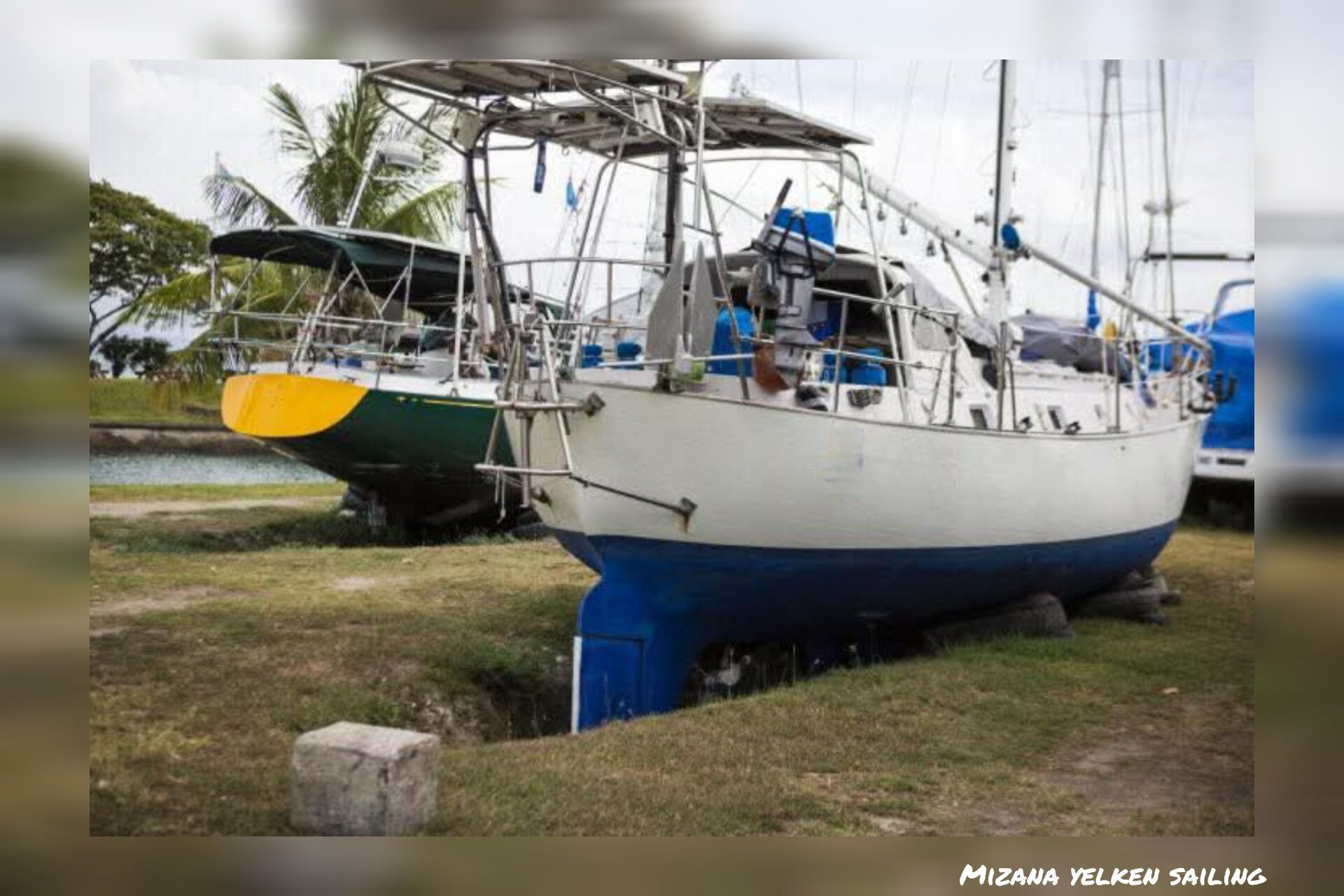
I have seen some yards half bury or at least sink the keel into a hole in the ground. This can be a good way to prevent a boat tipping over; however, I do not know of any yards still doing this as it leaves large holes in the yard after the storm is over. There is also the possibility of the yard being flooded by storm surge or rain, which could cause the boat to float out of the hole or cause the ground to collapse around the keel, making the boat difficult to remove.
If the boat is secured to the ground, open hooks should not be used, and no more than two straps should be secured to any one anchor. If the boat has a drain plug, it should be removed to prevent flooding or “sinking on land.” If lacking a drain, plug, find a low seacock and remove the hose, leaving the valve open. This will be a drain if the bilge pumps fail. Storms can produce a large amount of rain, and I have seen many boats flooded on land from this. Screens should be placed over cockpit and deck drains to help prevent clogging from windblown debris.
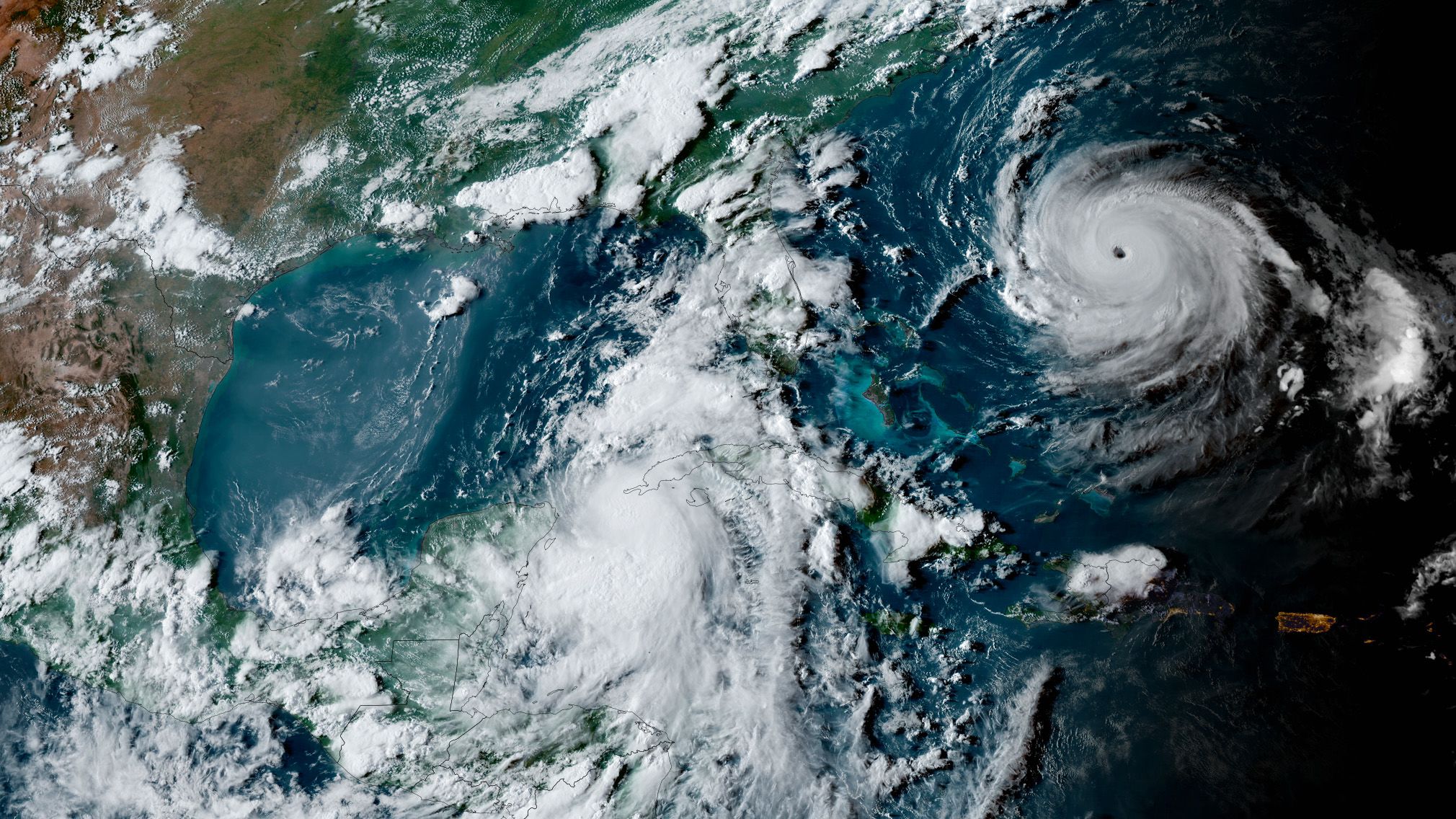
Finally, be sure to keep track of the weather. I called a client once to check with them about storm prep, as a hurricane was predicted in just a couple of days. His response was, “oh there is a storm coming?” Being aware of the weather is your first defense. Storm prediction has improved over the years but is not 100% accurate. Never assume anything when it comes to hurricanes; this includes storm strength and heading. I have seen hurricanes do some surprising maneuvers, including making a full 360-degree turn before making landfall. There also seems to be a trend for storms to spin up and increase in strength shortly before making landfall. Always assume the worst and prepare for that.
Hopefully, some of this often-overlooked advice will help you in preparing for any storms. I strongly recommend exploring other sources for more information and anything I may have missed. Remember to watch the weather even when it is nice outside. Plan well ahead and know just how you plan to prepare. Hurricanes are not a matter of, but a matter of when.