
I see a lot of folks who dream of selling everything, getting a sailboat, and taking off for parts unknown. They take the ASA courses and study the cruising materials, thinking they have the knowledge to head off to the blue horizon. Many only go a few hundred miles before reality sets in and they find they may not really be ready or even like the new life they have put so much into.
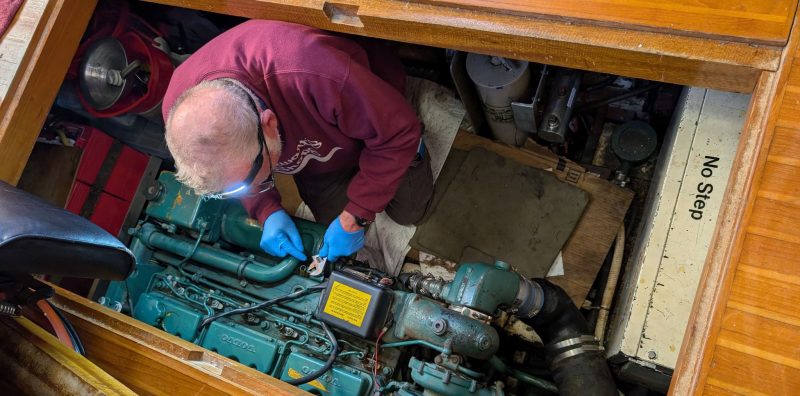
The reality they have missed is not in what they have learned but in what they did not learn. Nobody told them that all those courses about how to work the sails, how to dock the boat, how to navigate, and how to read the weather are only the tip of the iceberg. At least 80 percent of cruising has nothing to do with how to sail the boat and everything about how to keep the boat working.
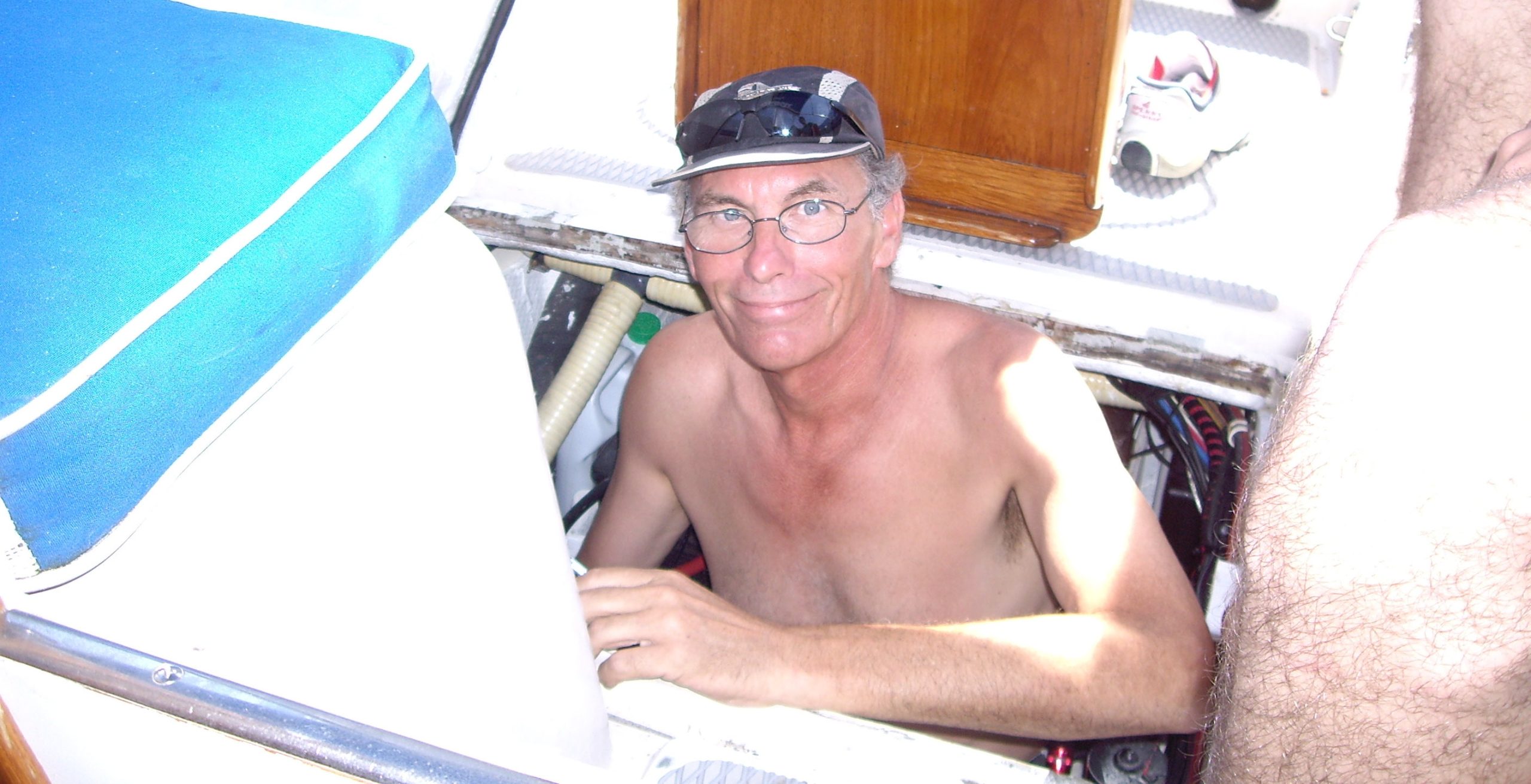
Several years back, I ran into a cruiser who had purchased a brand-new Tayana 56; he had a bunch of fancy gear and electronics installed and set off for the islands. The following spring he was back, and I ran into him again; this time there was a for-sale sign on his boat. I asked him if he did not enjoy his trip? His response was mostly to complain about problems with the boat and electronics. He was frustrated by the lack of dealerships that could service his boat under warranty during the trip. He lamented that he had spent so much on purchasing the boat and repairing it he had little left for cruising.
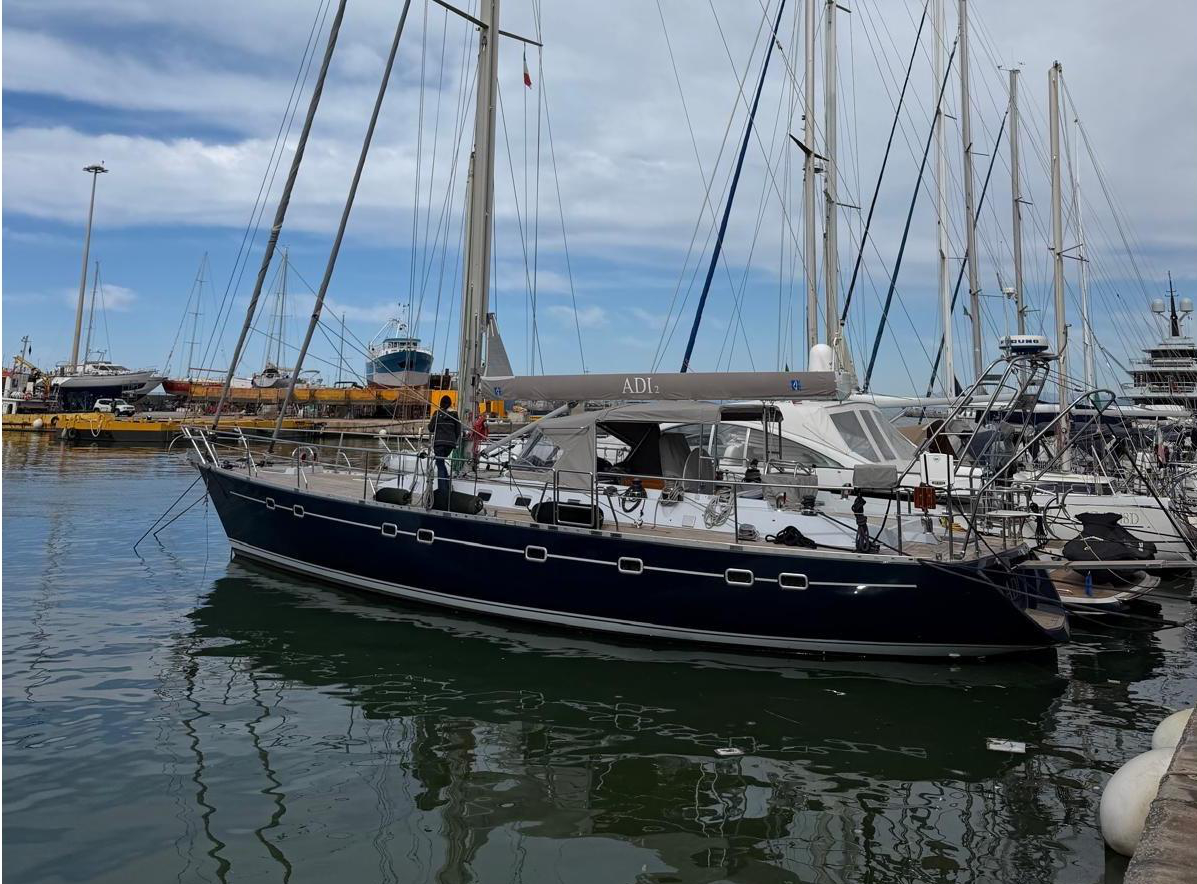
In the marine business, we often refer to this as Lexus syndrome. Many who are new to cruising, particularly those with a higher income, think buying a new or well-founded used boat is like owning a Lexus in that you can easily have it serviced by a dealer network. They also think that all the systems will be integrated and easily repaired just by plugging a computer into a brain box to locate issues. Of course, nothing is further from the truth when it comes to boats.
I tell this story not to criticize anyone; I do not blame them for thinking like this; you spend close to a million dollars on a boat; you expect things to work and to have the boat easily serviced. The truth is, this is simply not true when it comes to boats. Whether you buy a boat for a few hundred dollars or a few hundred thousand dollars, things are going to break, and repairs are often difficult while cruising. Qualified technicians and parts can often be hundreds of miles away.
Most of the popular sailing magazines used to run at least one or two maintenance articles each month and would often have stories of harrowing adventures some cruisers got into. This has slowly been going away, and the newer sailing vlogs tend to focus on the good side of cruising. This leaves many new cruisers not fully understanding that there is much to learn beyond how to sail.
Unfortunately, I think this is exactly why some would-be cruisers end up frustrated and disappointed when they first set off, and sometimes before they ever leave the dock. When I started sailing back in the early 70s, there was no internet and only a couple of magazines dedicated to the cruising sailor. Most of what I learned was from books the few cruising sailors out there wrote. Much of what they talked about had to do with preparing their boats and the planning they did for when things might go wrong. I learned from these early cruisers that having the right spares and being prepared for things breaking down was a huge part of their adventures and safety.
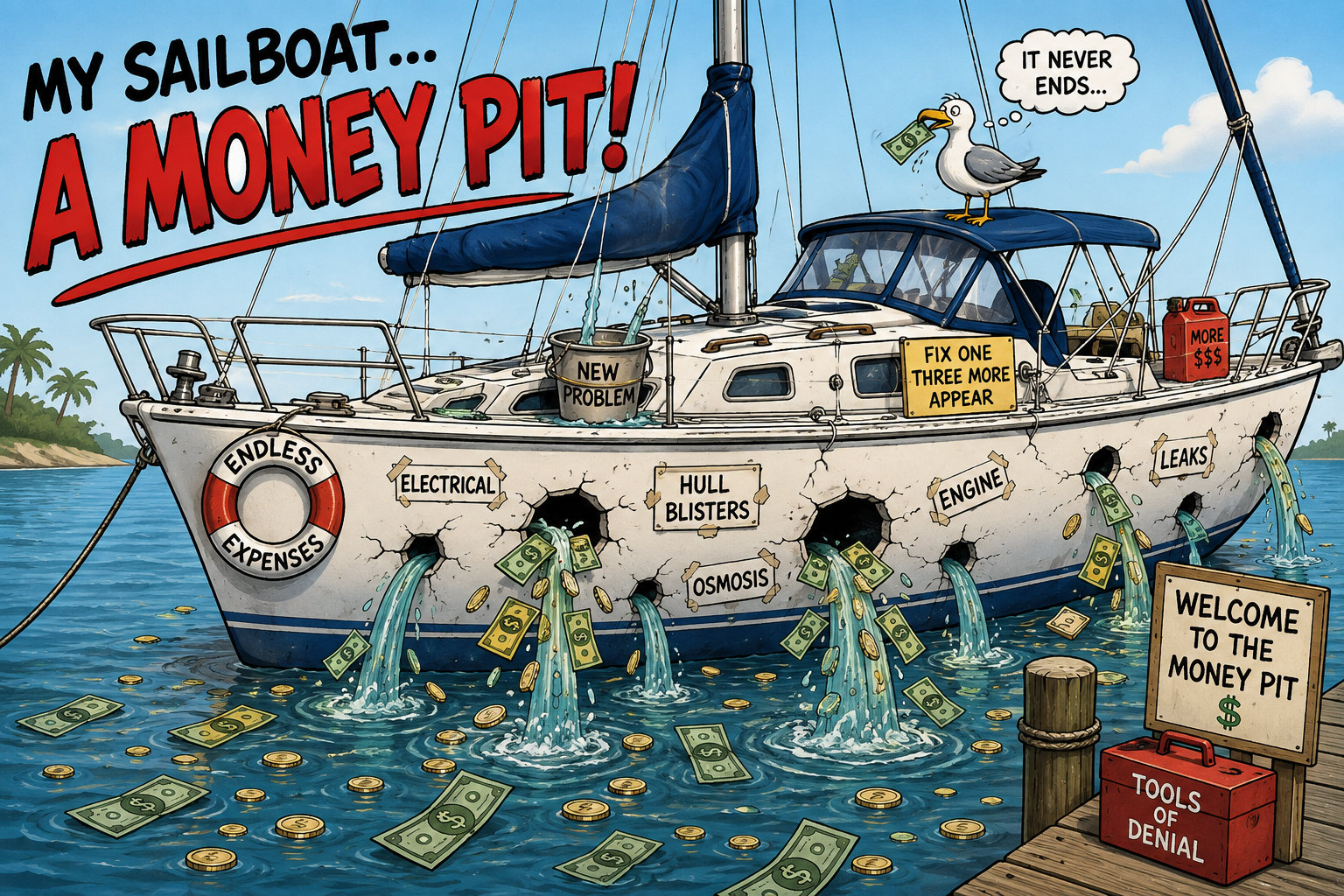
These days this critical information is mostly overlooked in an effort to sell a lifestyle along with magazines and vlog watch time. I get it, nobody really wants to focus on the hard part, the endless boat repair and maintenance. This can lead to some new cruisers getting discouraged when they learn that keeping the boat fully operational while sailing hundreds of miles is difficult and often frustrating.
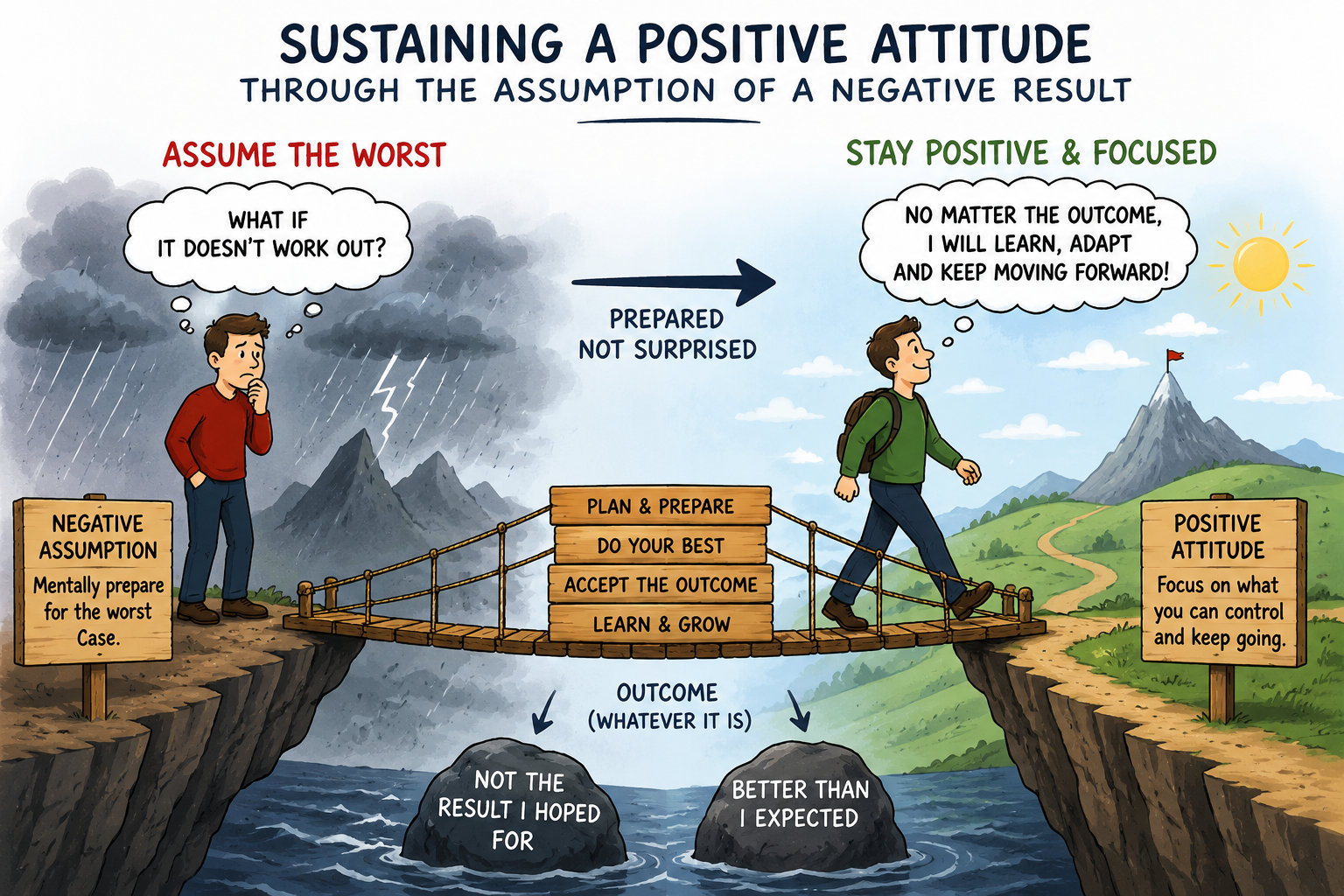
Years ago, I read one of those self-help books so popular back in the eighties; I came across a phrase in one that has stuck with me over the years because it applies well to boat life and cruising. The author had a theory he called “Sustaining a positive attitude through the assumption of a negative result.” It’s a mouthful, but basically, he was saying assume the worst, prepare for it, and if happens you will be ready both mentally and with the right spares and tools. If the worst does not happen, well, hay, that is great and you are happy because you were expecting the worst! This does not mean staying negative all the time; rather, you can be positive knowing you are prepared should something go wrong. I recall a NASA manager talking about the designers of spacecraft. He said “These are the guys you want to go camping with because they will think of everything that could go wrong and have a plan for it!”
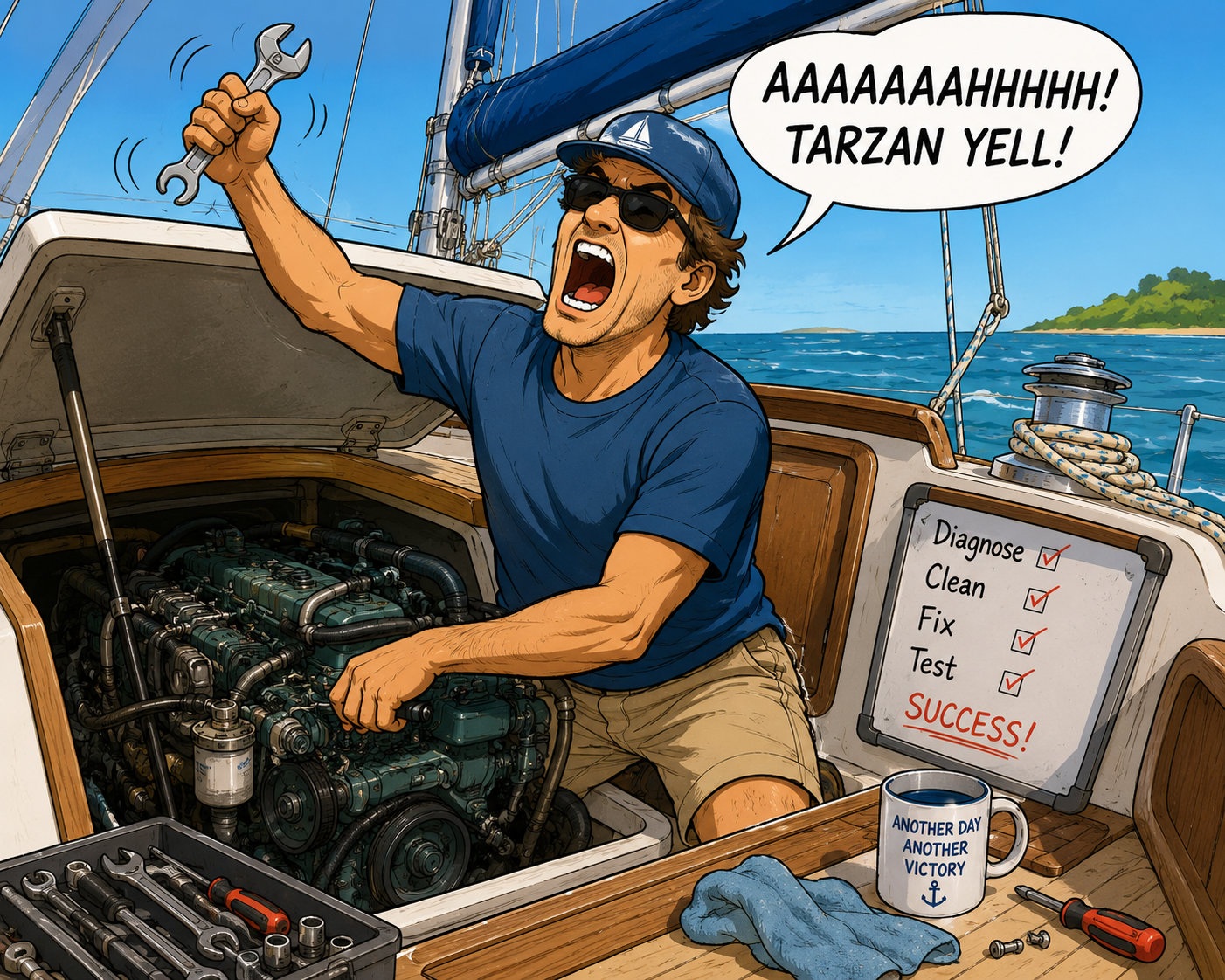
This is the eighty percent of cruising I am talking about, the part they do not really teach in the sailing schools. As the saying goes, “Everything on your boat is broken; you just do not know it yet.” After having mastered how to work the sails and navigate, it is important to learn the boat’s systems and how to keep these systems operational using your own skills and resources. In the early days of adventure sailing, most sailors could not only sail a boat, but many of them had built their own boats. They knew their boats inside and out. This is really part of the appeal of distant cruising for me: the self-reliance, the ability to get by on my own skills. Knowing how to deal with breakdowns and emergency situations is huge, not only for comfort but for safety as well. There is also a lot of satisfaction in finding and solving problems aboard. Years ago I had a friend who would let out a loud Tarzan yell when he had finally conquered a piece of gear he was fixing, I get it, victory to be celebrated!
This is also why I tend to push getting a good project boat for cruising and spending a year or two going through the systems and upgrading as needed. This is the best way to learn your boat inside and out while at the same time learning new skills. Some of the most successful and often happiest cruisers I have met are the ones who have spent time restoring the boat they cruise on. They knew things were going to break, but they were ready for that; they knew just what to do to keep things working when needed. Having intimate knowledge of your boat and its systems is key to successful cruising.
For anyone planning on distance cruising or even those just sailing locally, I always urge learning as much as possible about their boats and the systems that keep them going and comfortable. Being a good cruiser means having at least a basic understanding of electrical systems, plumbing systems, engines, with a bit of construction thrown in. Most of these skills take years to master, but having some basic knowledge will often be enough to keep you going when equipment breaks down. These basic skills are not that hard to learn with a bit of effort and time. The harder part is where to learn these skills?
Many coastal community colleges will offer specialized courses in marine mechanics and electrical. Many also offer outboard repair courses as well. If you can repair outboards, you will be the hero of many anchorages! Community colleges can be a good place to look for learning opportunities and are usually very affordable. There are some private schools that teach basic repair skills as well. The best way to learn is with hands-on experience; another reason I suggest the project boat path. Making friends with other boaters who have good repair skills can also be helpful. Most boaters are happy to share their knowledge with others, but keep in mind that not all advice is good advice; do not be afraid to get second opinions.
If you have the time and money, there are a few on-campus private trade schools with good marine restoration and repair classes. These schools have on-campus courses that can range from a few days to a few months to complete. This is a great way to get serious hands-on experience with proper in-person instruction.
The internet can be a good resource for learning as well. Even though I have many years of repair experience, I still watch YouTube videos, particularly if I am doing something new to me. Of course, it is good to watch more than one video on any subject, just to get a different take. AI can also help, but it often gives bad information mixed in with the good. Sorting good from bad can be a challenge for those not experienced enough to know the difference. Caution always needs to be used with AI information.
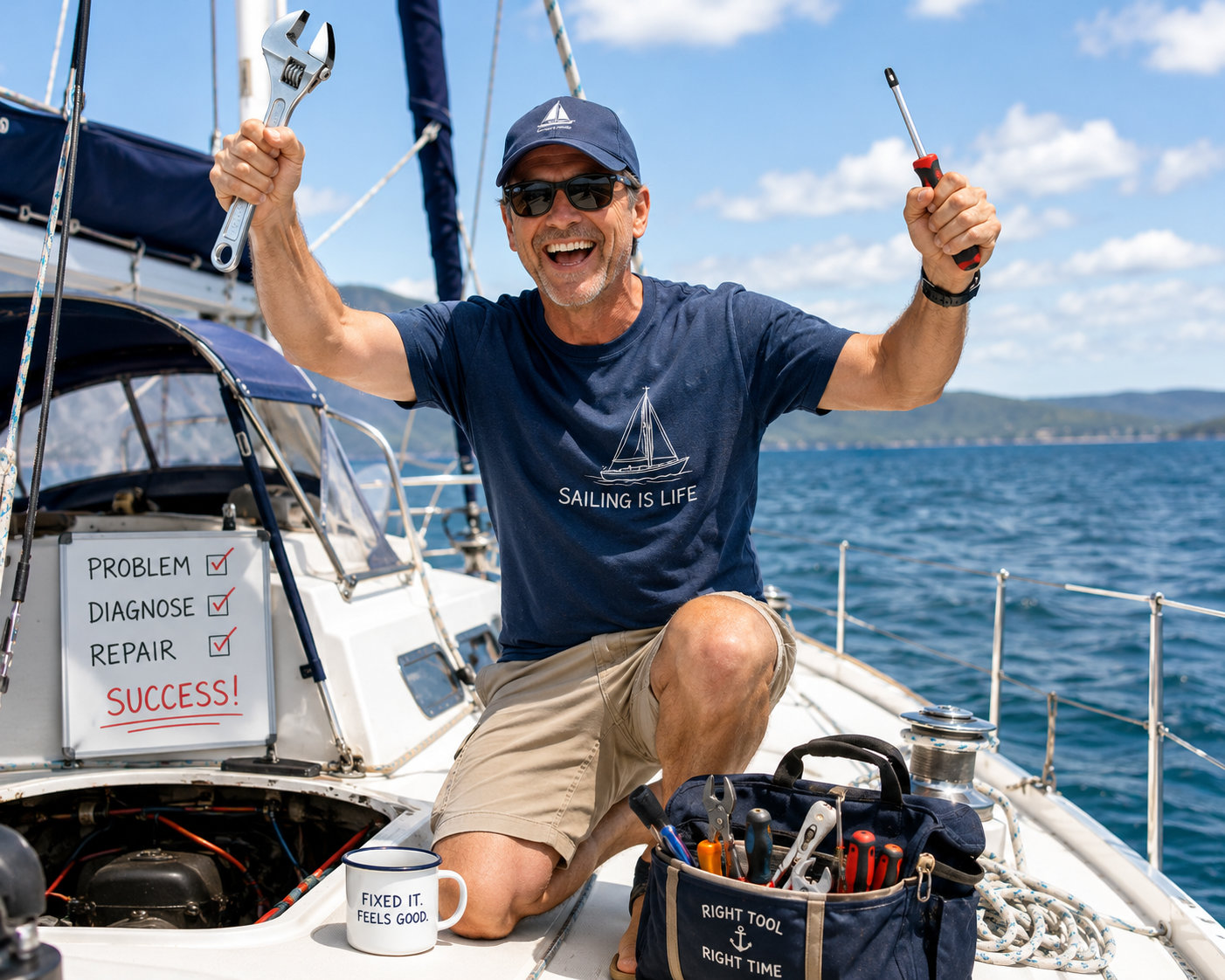
Any new cruiser will be better off, and happier, if they understand right up front that cruising is difficult and that things are going to break and need fixing pretty much all the time, it is part of the lifestyle as much as hoisting the sails and plotting courses. This is part of what cruising is all about: learning how to be truly independent. There is a lot of satisfaction to be gotten from getting the engine to purr like a kitten when it refused to start or fixing the refrigeration while deep in the tropics. It is a true feeling of independence knowing you can keep your boat working when it is always trying to break down. It is a special satisfaction you get that adds to the pleasure of cruising. (At least when you are done cursing at the last thing to break!)
Please let me know if you have questions in the comments section; this way everyone can join the discussion and learn.
If you subscribe below I promise not to flood you with spam emails or share your info with anyone else. I just want to let you know when new content is available short and simple.
If you subscribe I promise not to flood you with spam emails or share your info with anyone else. I just want to let you know when new content is available short and simple.